

Why Staying With One Story Changed How I See Photographs
A simple photo exercise you can do close to home that builds focus, intention, and better images

This is an exercise I have been assigning for years in my one on one mentorships and workshops, and it consistently helps photographers move forward regardless of experience level or genre. It is intentionally slow, structured, and sometimes uncomfortable. The goal is not to produce your best work or a portfolio piece. The goal is to give you direction, accountability, and a clear framework to practice, experiment, make mistakes, and then go back and fix them.
I come back to this exercise again and again in my own work because it reliably makes photographers better. Not faster. Not trendier. Better. Most people avoid it because it does not feel exciting at first. It does not produce instant gratification, and it does not play well with social media. It is not INSTA. It is LONGLASTA, I realize I’m idiot but bear with me.
I do not care what level you are at or what genre you think you belong to. You do not need to love documentary photography, or even think you are interested in it, to learn from this. Street photographers, portrait photographers, travel photographers, and even landscape photographers can all benefit from it. If you care about seeing better, this applies to you.
The Why ( You can skip down to The How if you are committed already)
Every real leap I have made as a photographer came from slowing down and committing to a multi-image story. That started back in university, photographing college athletes and artists as part of my photo story class, and it carried through my career all the way to projects like documenting the last two northern white rhinos. That growth did not come from chasing single images. It came from staying put and committing to one story.
Think of this exercise as a learning space, not a legacy project. This is not about making the best work of your life. It is about experimenting with how you see, how you build a narrative, how you use light to create mood, and how images complement each other. Most importantly, it allows you to make mistakes in your photography and then go back and fix those mistakes. Wandering the streets rarely allows that, at least not in the same way.
Do not put pressure on yourself to succeed. Put pressure on yourself to finish.
Professional photographers grow because we are forced into accountability. We have assignments, deadlines, access to negotiate, light to wait for, and editors to answer to. Most amateurs do not have that structure, and without it, growth slows way down. This exercise creates that structure while still leaving room for experimentation and failure.
Street photography, travel photography, and similar genres are full of variables. You are constantly distracted by access, rejection, better light around the corner, or the feeling that something more interesting is about to happen somewhere else. Most photographers are a little ADD, myself included. This exercise removes the noise by narrowing your focus to one person doing one thing. It forces you to slow down, stay present, and work with intention.
The How
Think of this as me being your editor. This is your assignment, if you choose to accept it.
You have one month to complete a fifteen image story. The number is arbitrary, but parameters matter. The story must be about one person. Show me who they are and what they do, then sequence the images so they actually tell a coherent story together. The constraints are what make the exercise useful.
Start by finding a subject. A friend or family member is perfect. Think of this as a loose day in the life approach. Choose someone who does something visual, someone who makes, builds, moves, or works with their hands. A painter, a mechanic, a weekend athlete training for an event, or a volunteer at an animal shelter all work well. Anyone doing more than sitting at a desk all day is fair game.
Commit to photographing them at least one day a week for a minimum of one hour. That is the bare minimum. More time always helps, but I get it, people have lives. Choose a time when they are actually doing what they do. If they are an artist, photograph them while they are painting, sculpting, rehearsing, or practicing. Do not force moments that are not there.
Pick one focal length and stick to it, even though it will feel uncomfortable. Choose a 28mm, 35mm, or 50mm. If you only own zooms, that is fine, just lock yourself into one focal length. The goal is to stop thinking about gear and start paying attention to what is in front of you. You will also learn how much variety you can get from a single focal length just by moving your feet.
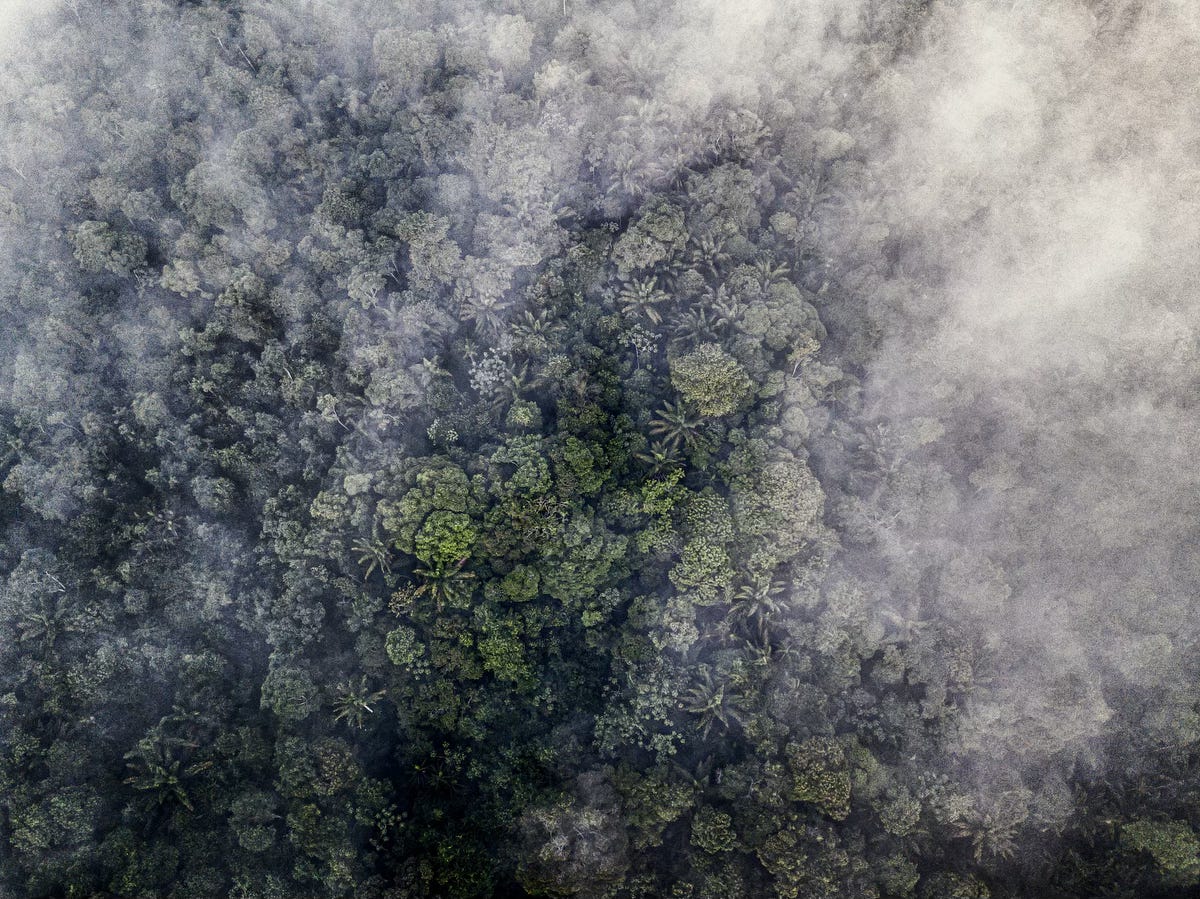
Ethics matter here. Choose the right time to photograph, but do not set anything up. Do not ask them to repeat actions, tell them where to stand, or ask them to perform for you. Document what is actually happening in front of you. If you miss a moment, learn from it and anticipate it next time. The real world does not repeat itself, and life is already interesting enough if you pay attention and let it unfold. Adhere to this rule and trust it.
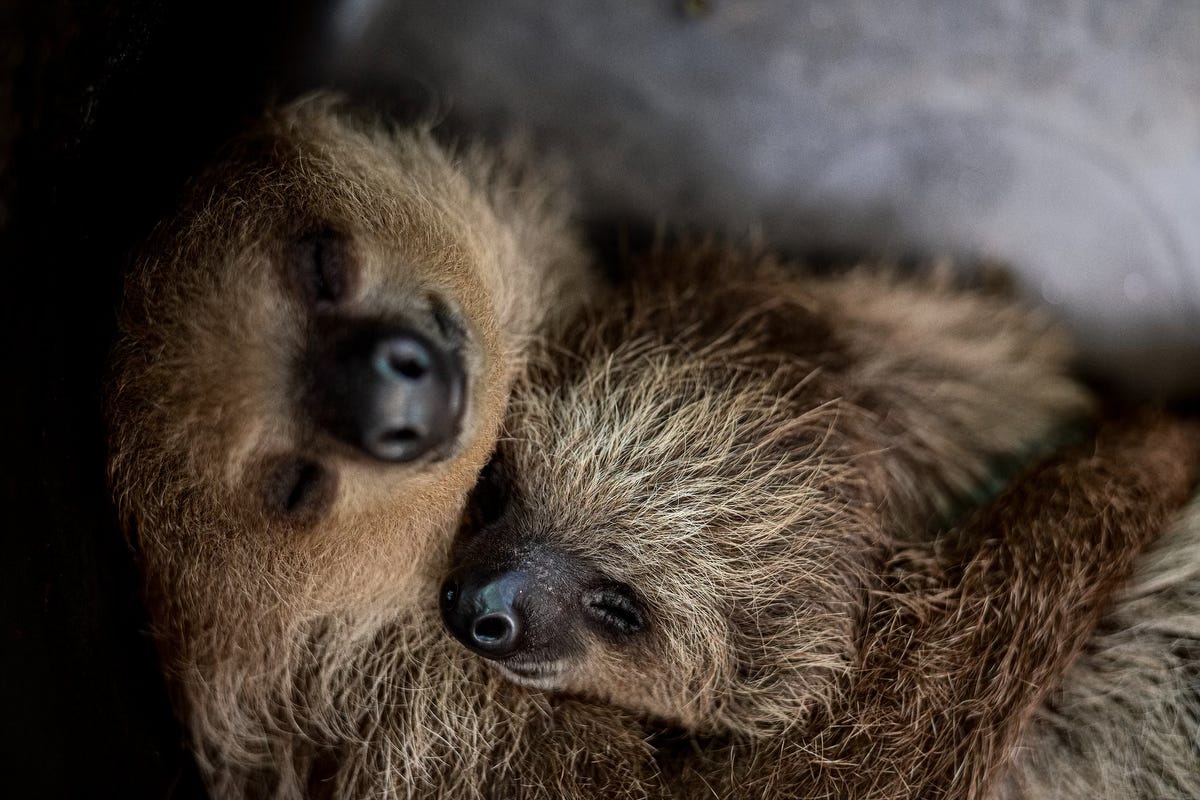
Build your final fifteen image story around five types of photographs. I will use my story about a woman who rescues sloths for a living to illustrate what I am hoping you can capture. Do not compete with me. Use these examples as building blocks for light, composition, and intent.
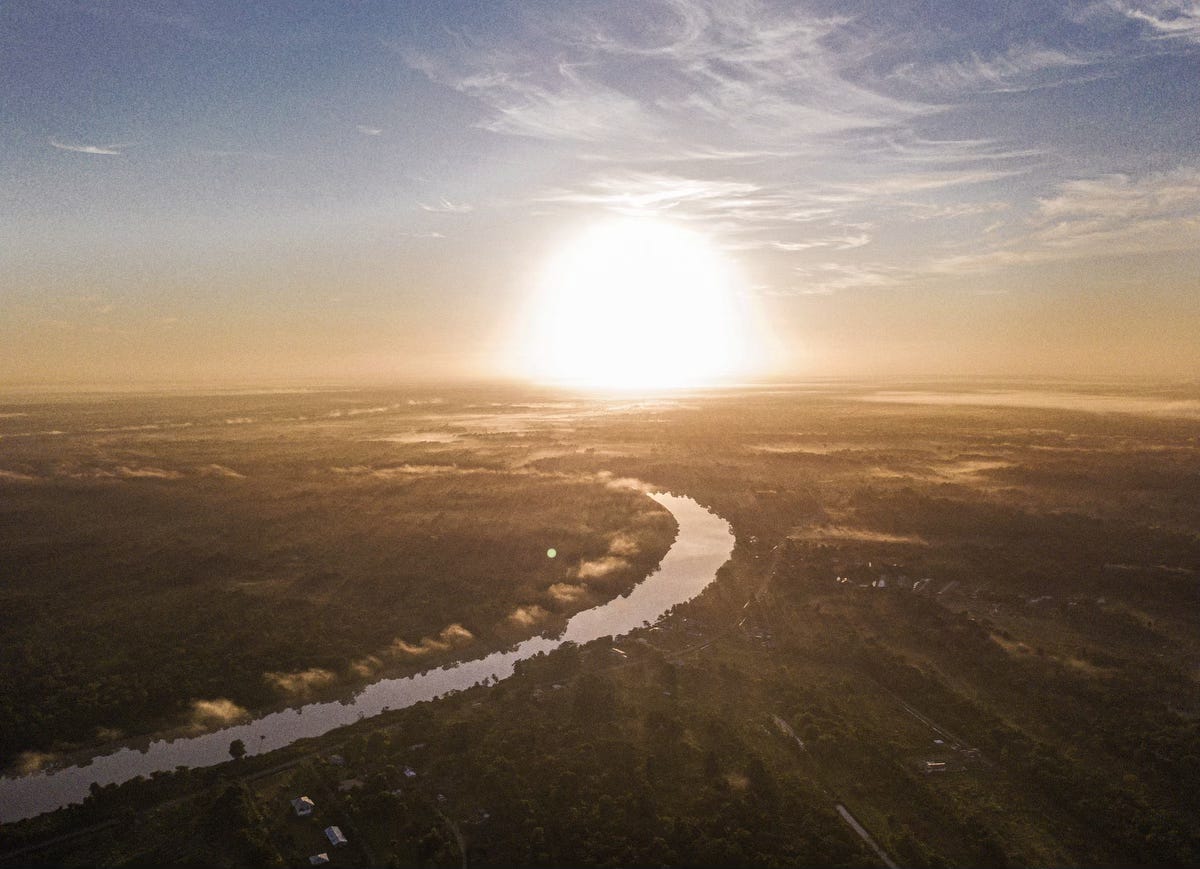
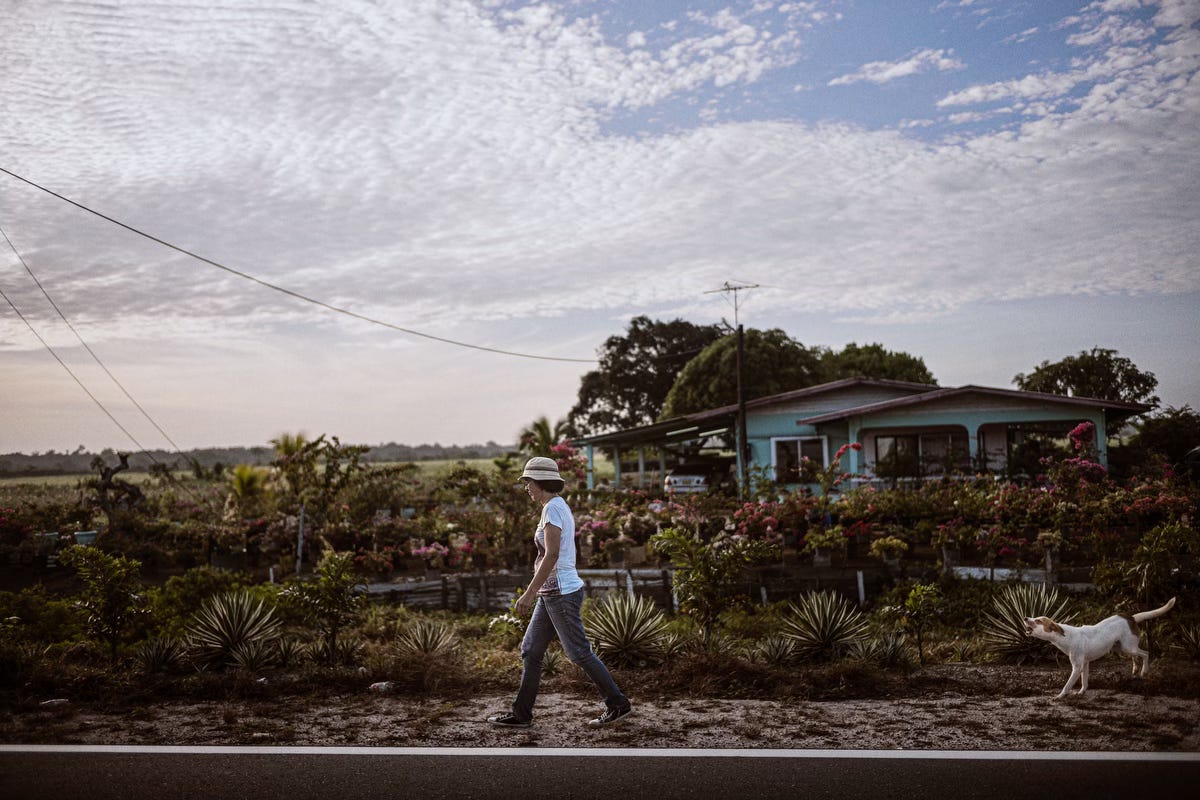
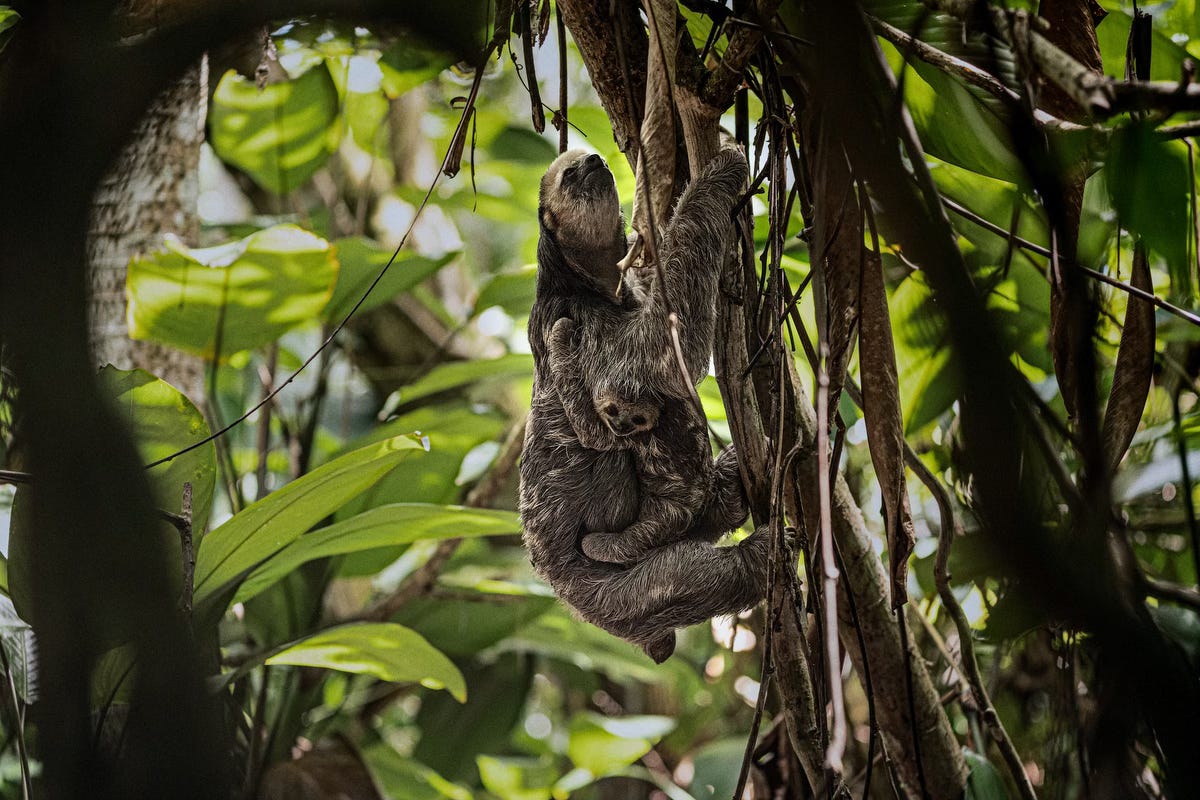
Start with a scene setter. This is a wide shot showing where the person lives or works, or simply the space where they do what they do. I used a drone in my project, but that is not required. The densely forested area was relevant to the story about sloths losing their habitat to urban expansion, and the image established context immediately.
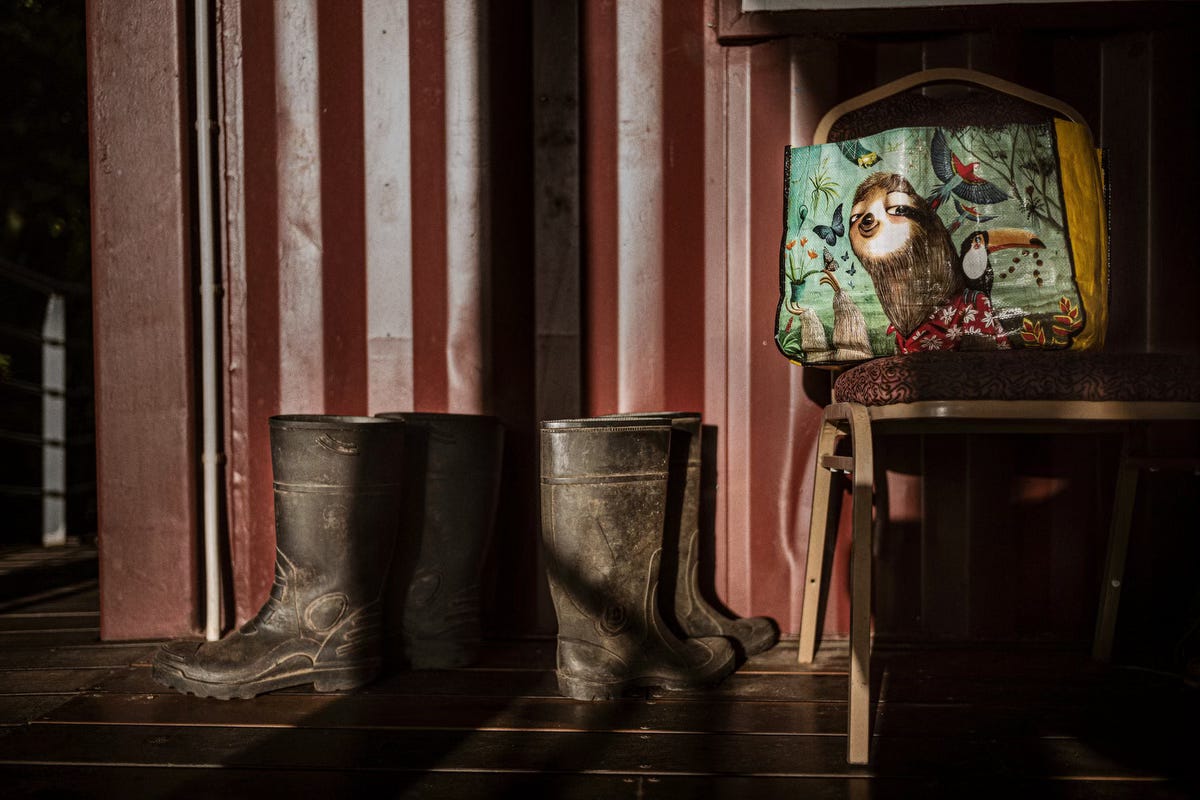
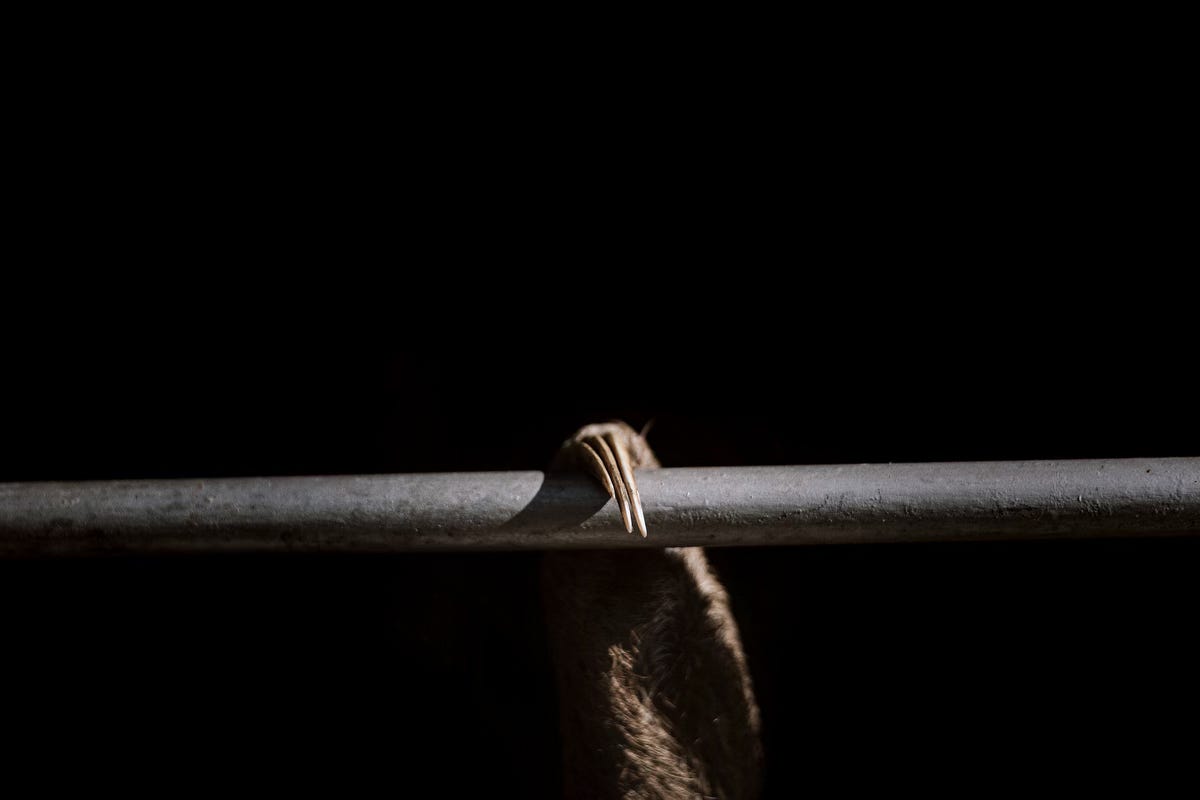
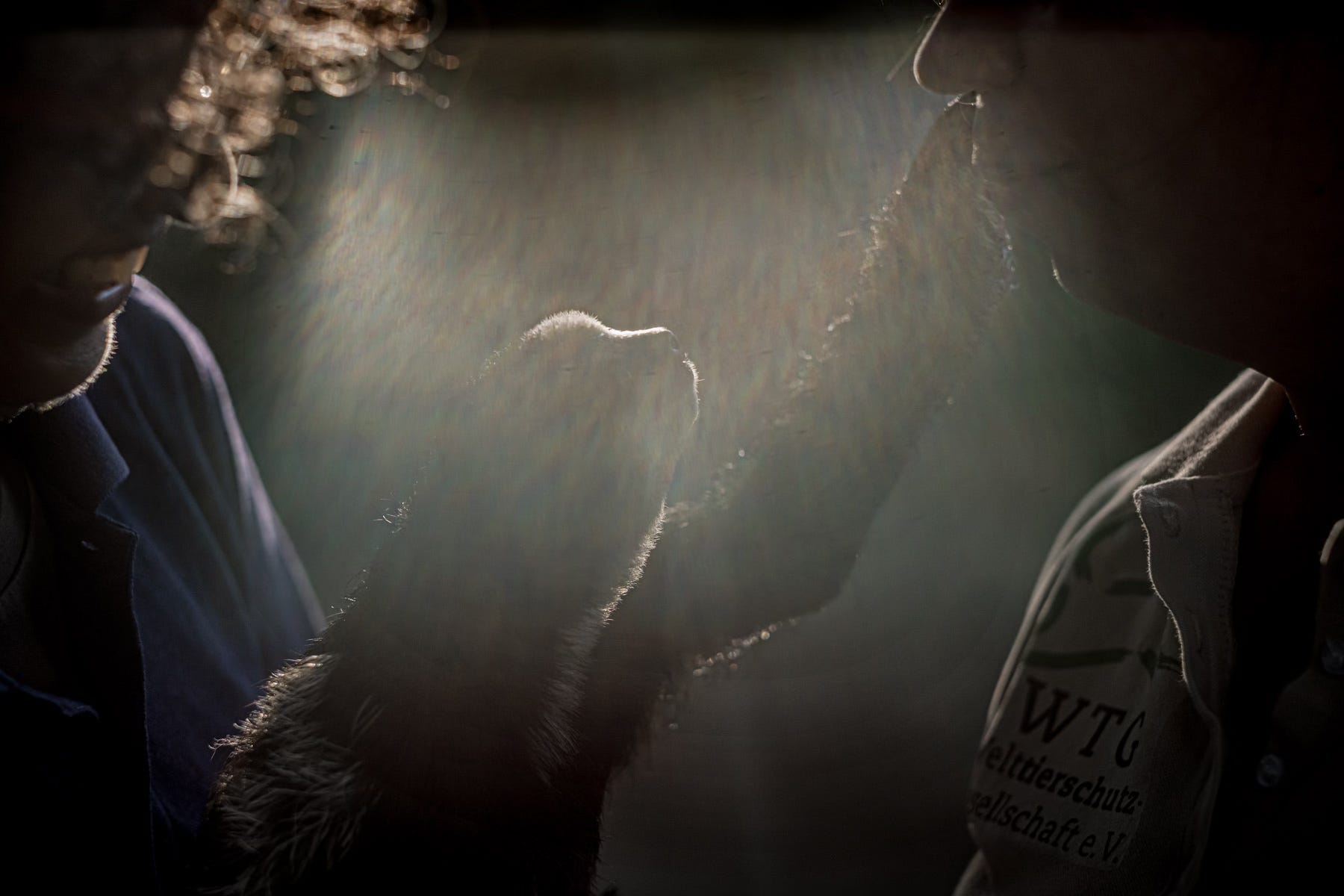
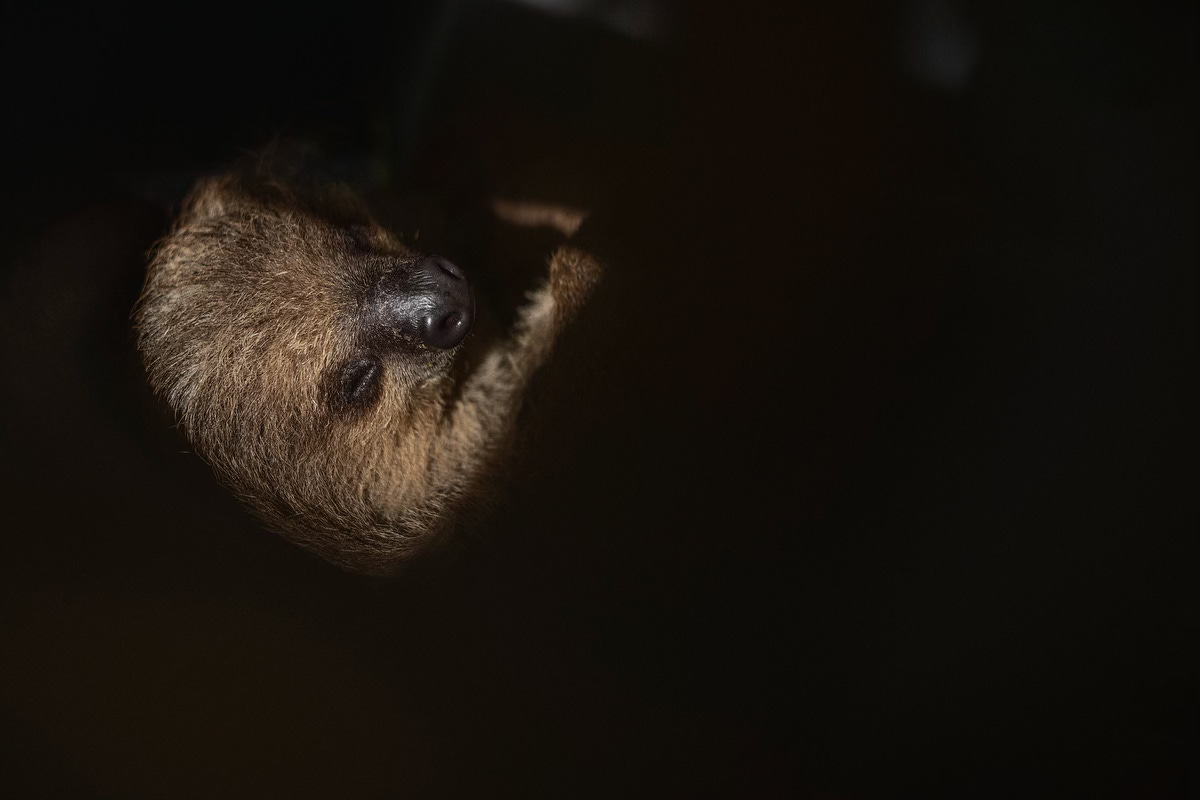
Details come next. Show what the person does through small, revealing moments. Monique’s dirty boots drying in the sun with her sloth tote nearby. A claw reaching up against a dark background. These details create mood and reinforce the story. You may get lucky, but more often than not, the longer you stay, the luckier you get. Start obvious, then push past it.
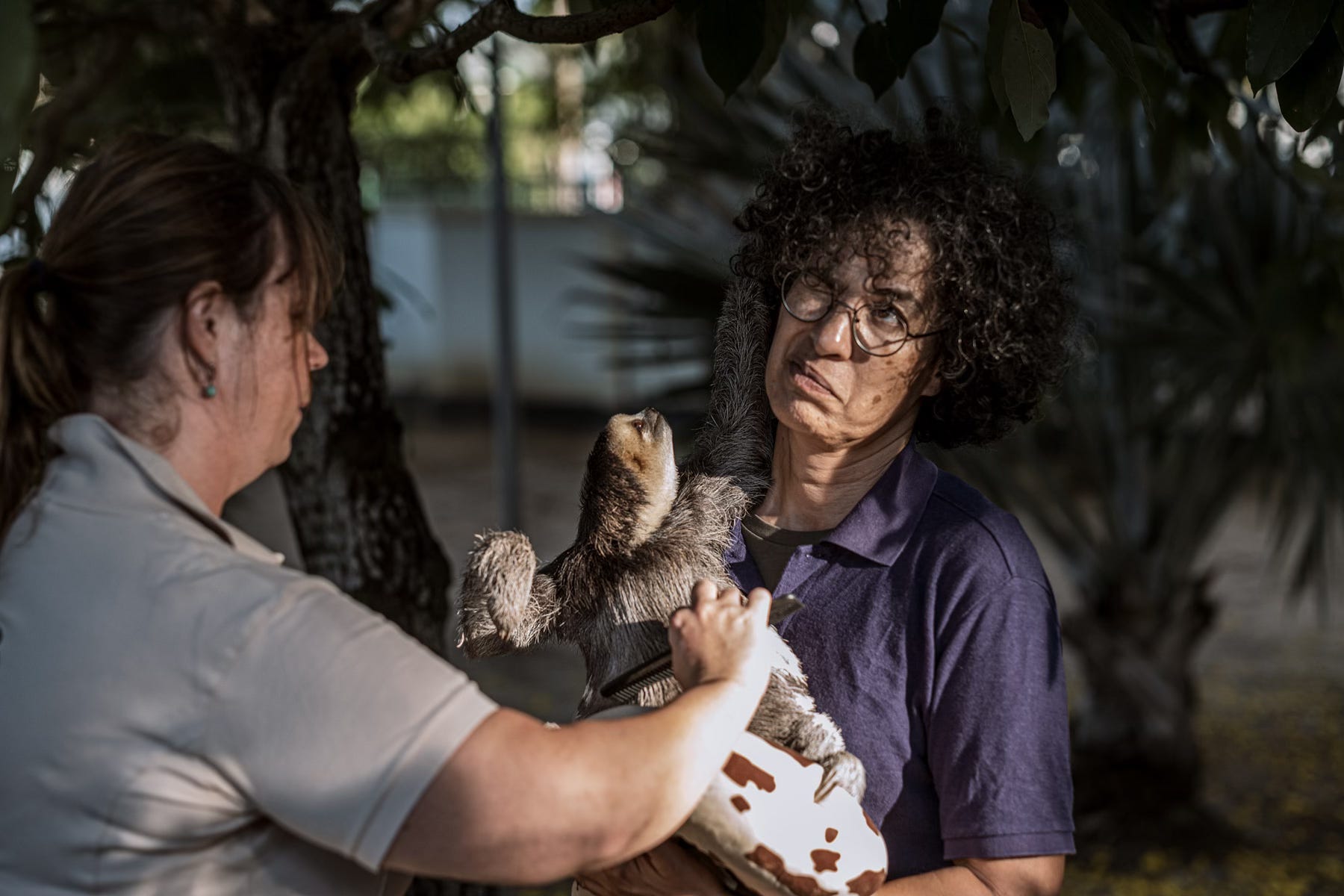
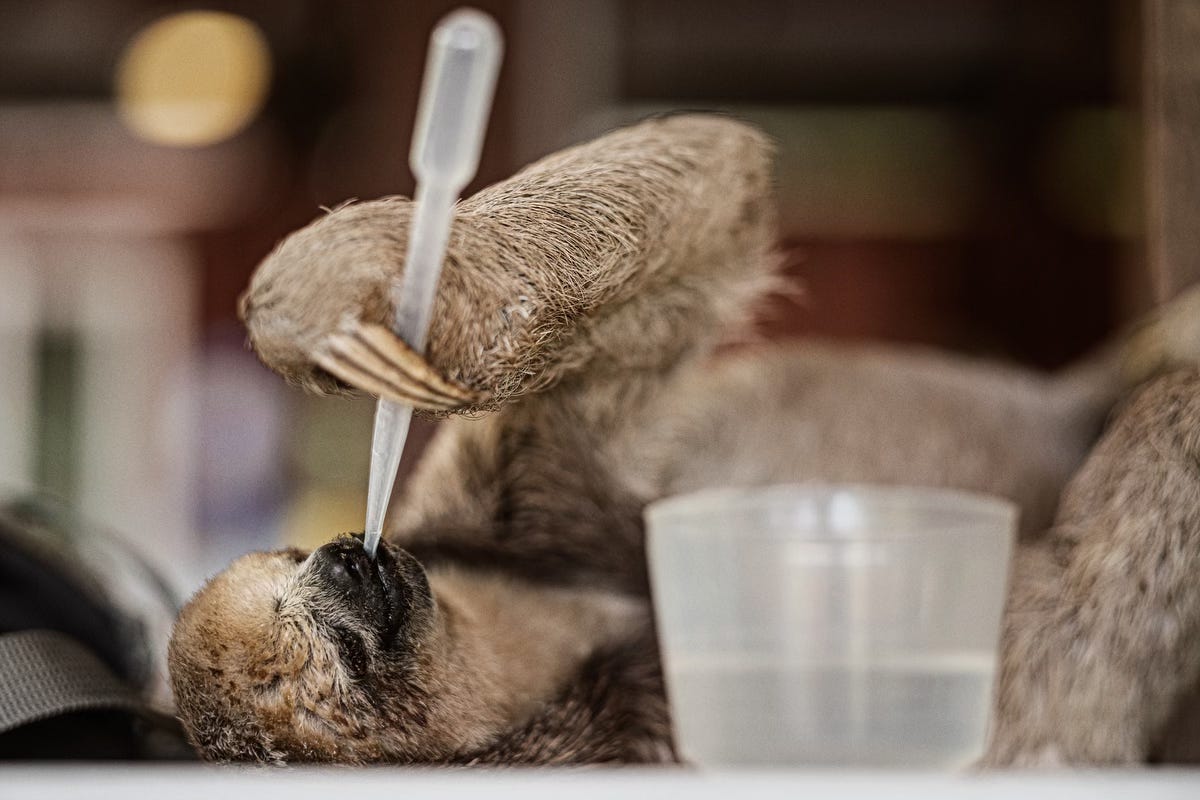
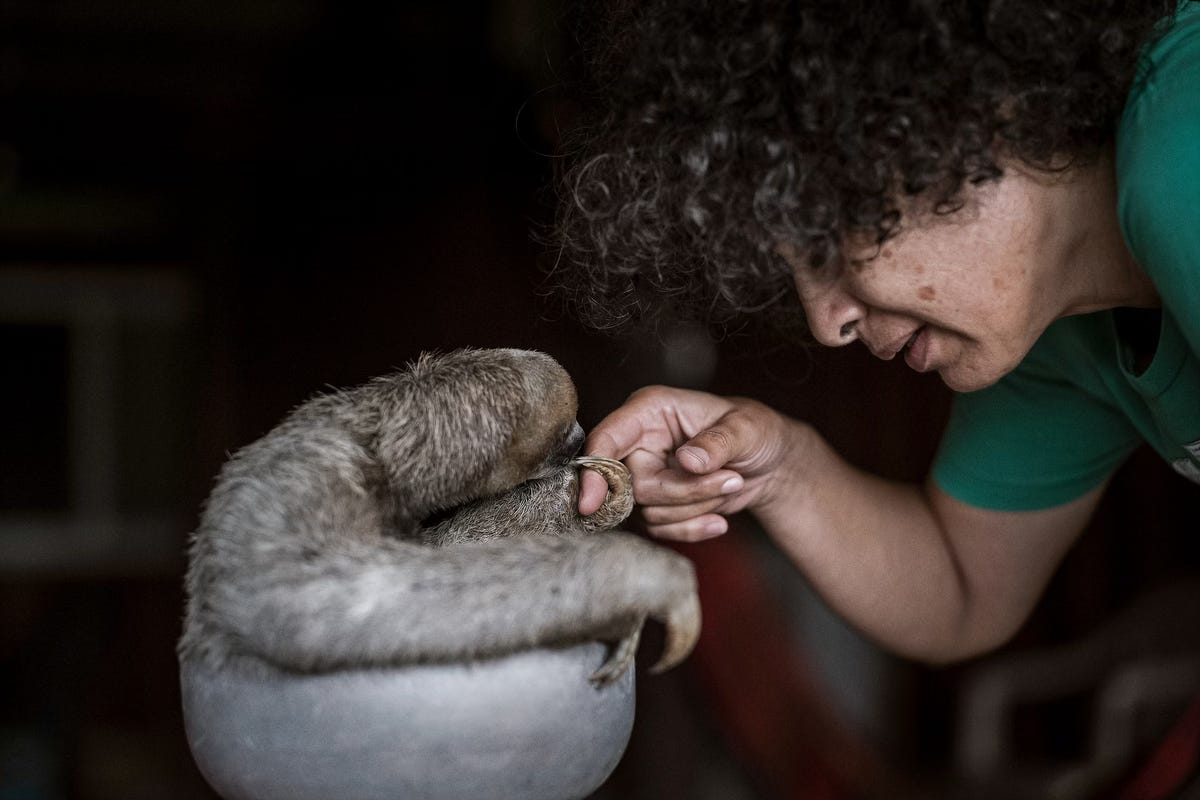
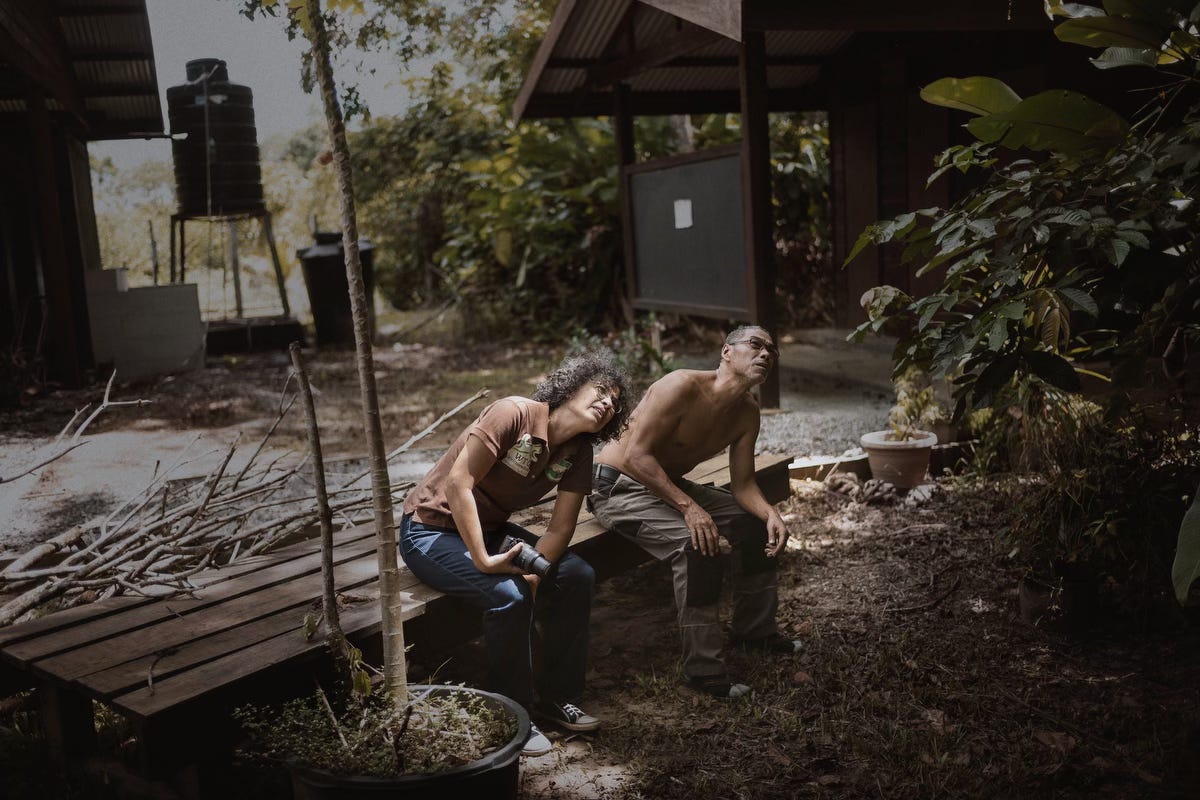
Moments are the hardest part, and they only come with time. Moments humanize your subject. Thoughtfulness, frustration, pride, exhaustion, joy. If we do not care about the person, we will not care about what they do. These moments do not need to be dramatic. A sloth’s claw getting tangled, a door to door outreach moment that turns chaotic, or a quiet pause between actions all work. Your first story might not be filled with moments like this, and that is okay. Simple moments go a long way.
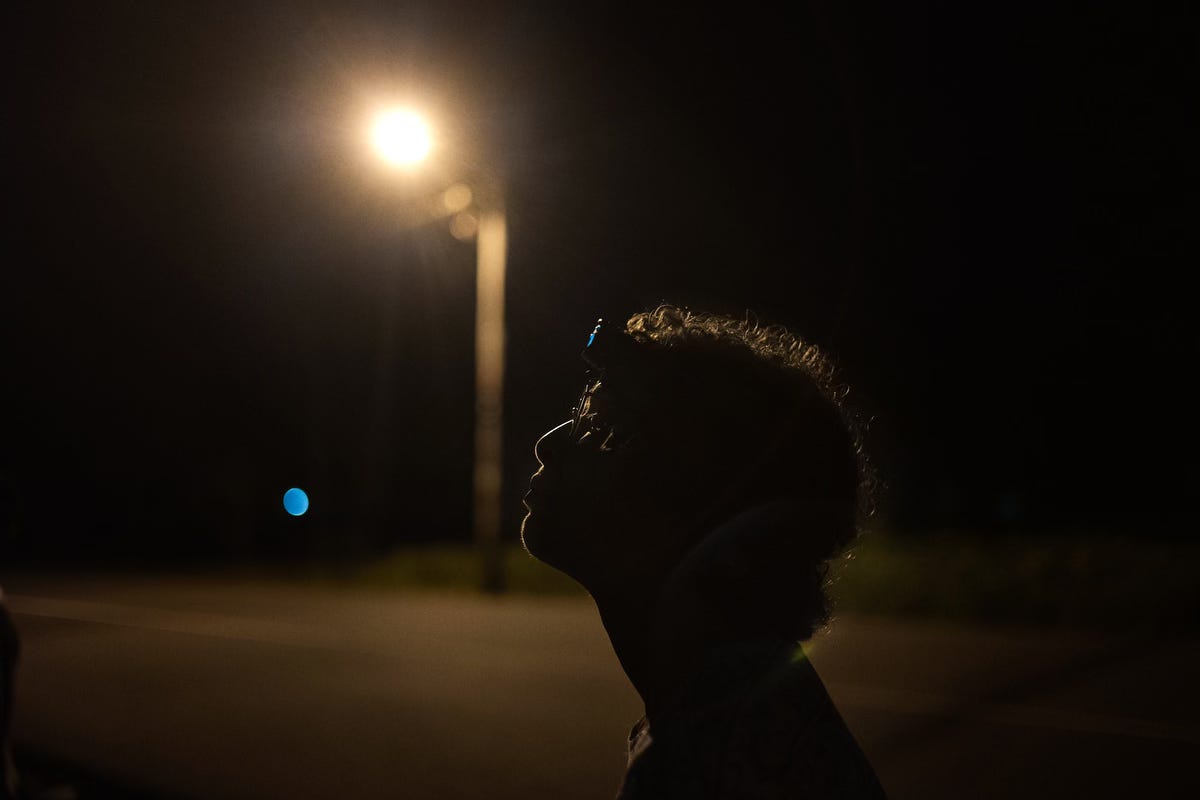
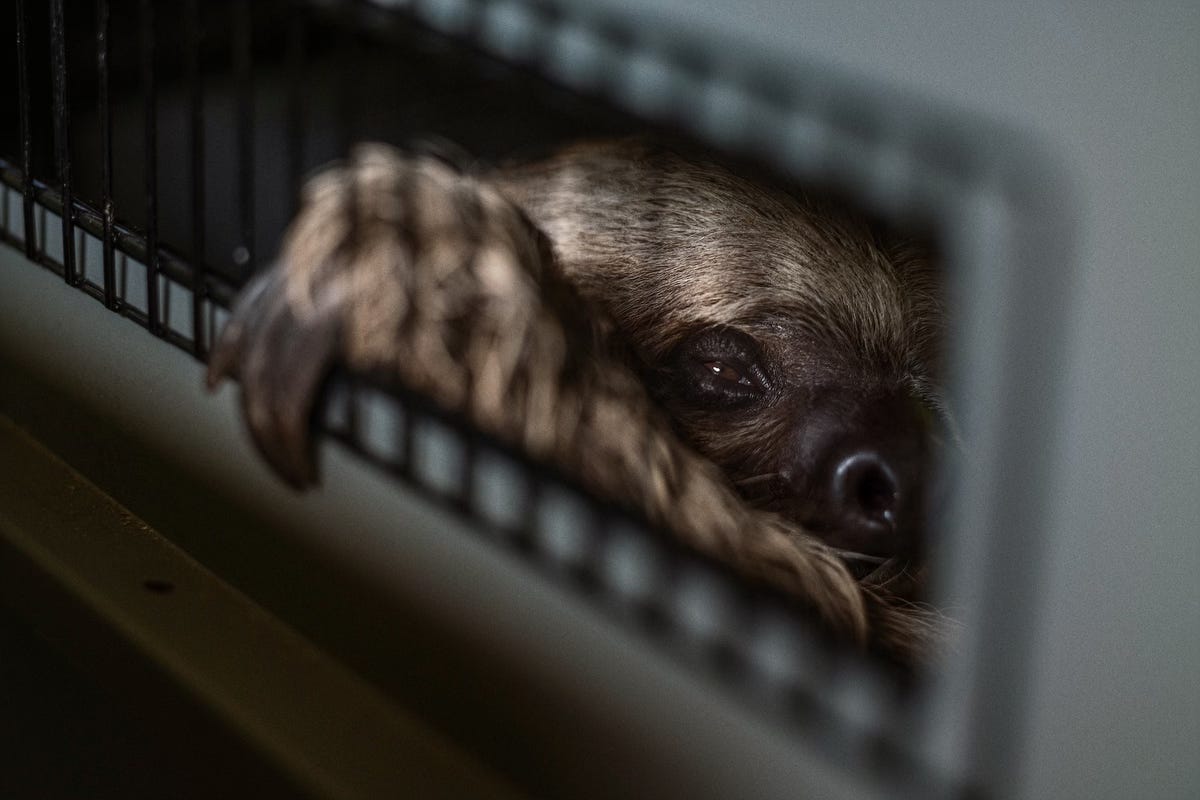
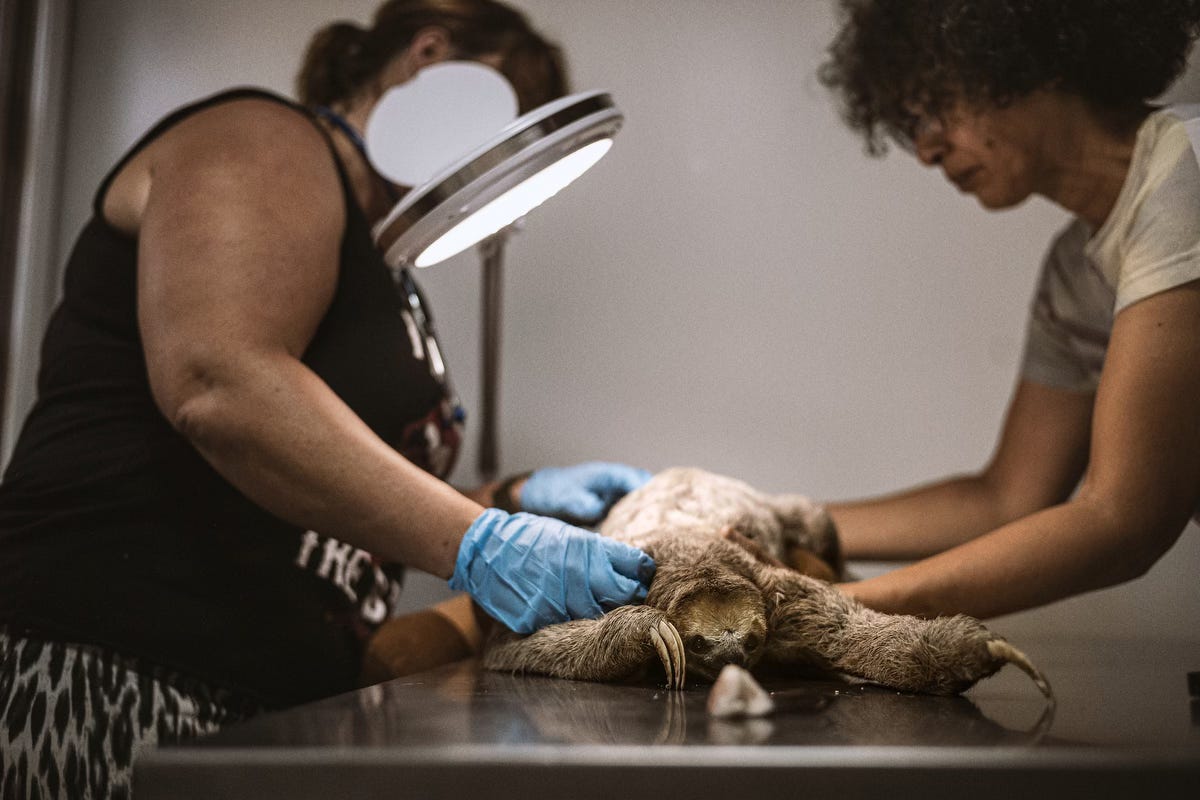
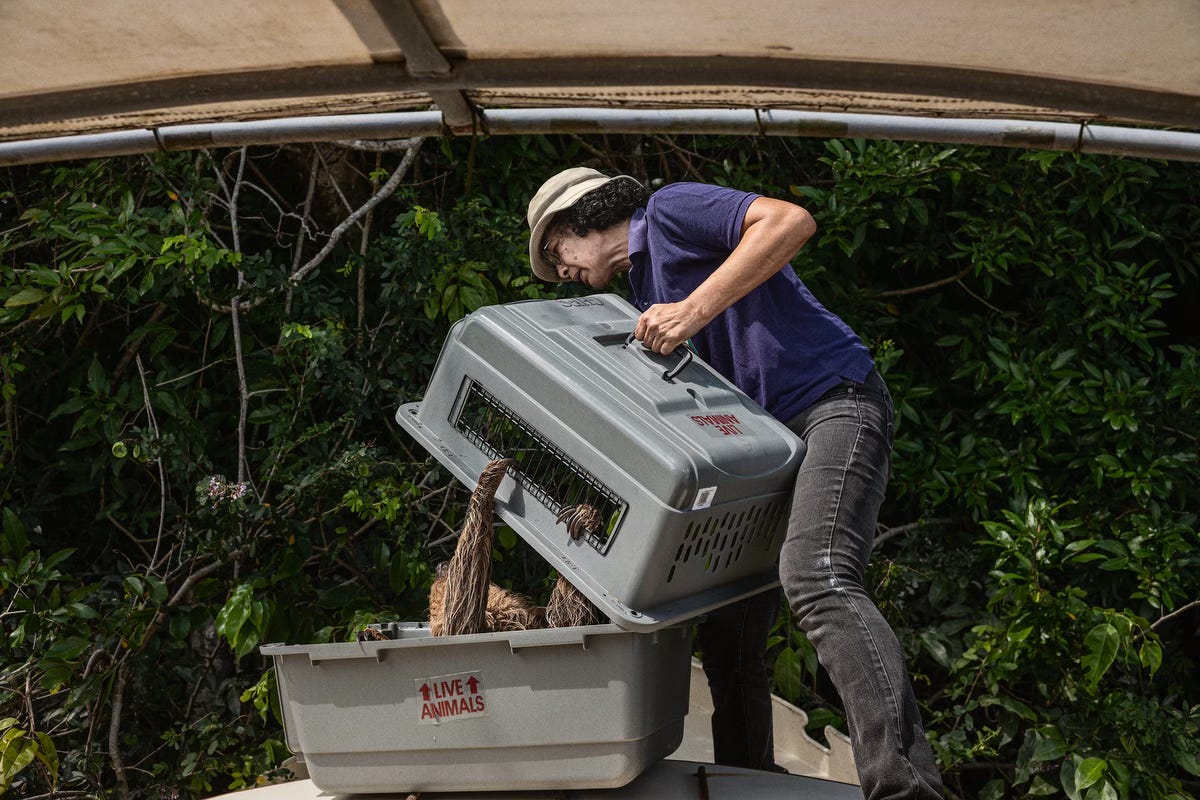
Process usually becomes a short sequence within the story, but most people turn this into everything. For Monique, that meant going out at night, checking the health of rescued sloths, and releasing them back into the wild. Process images are visually strong, but do not overdo it. Ten nearly identical action shots will kill a story fast. Be selective.
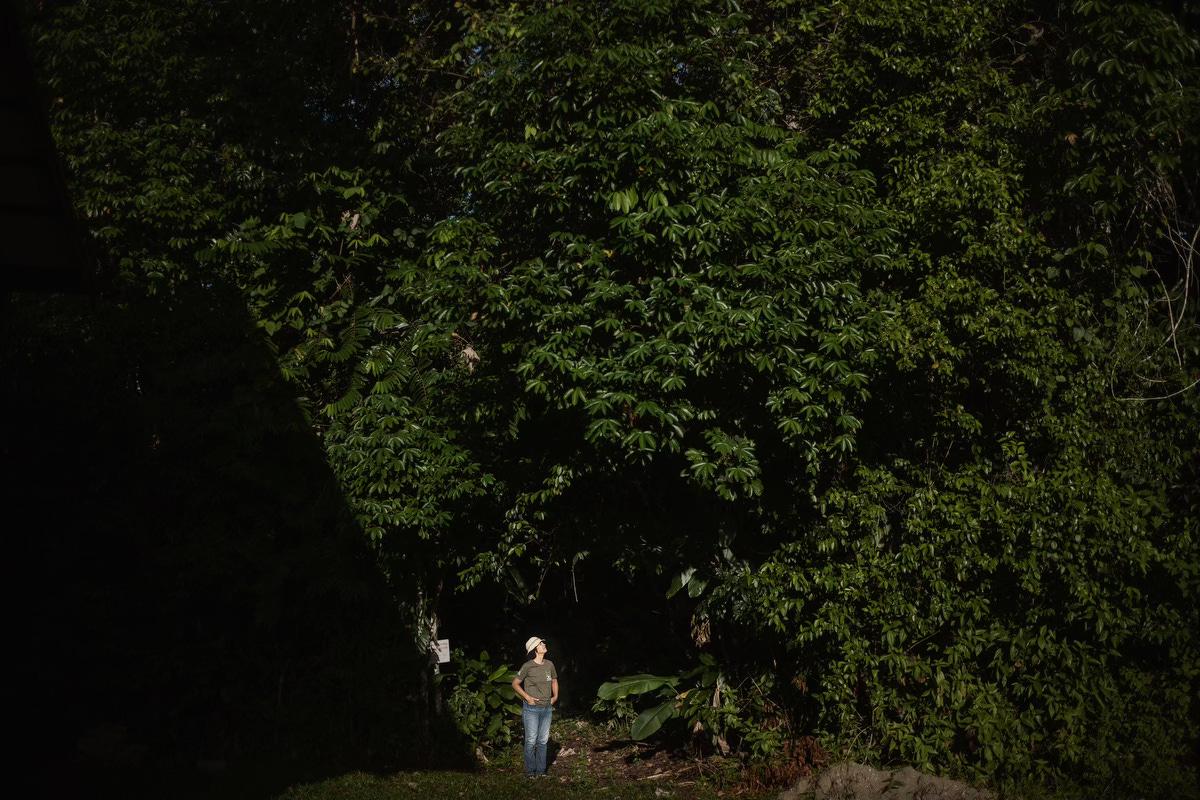
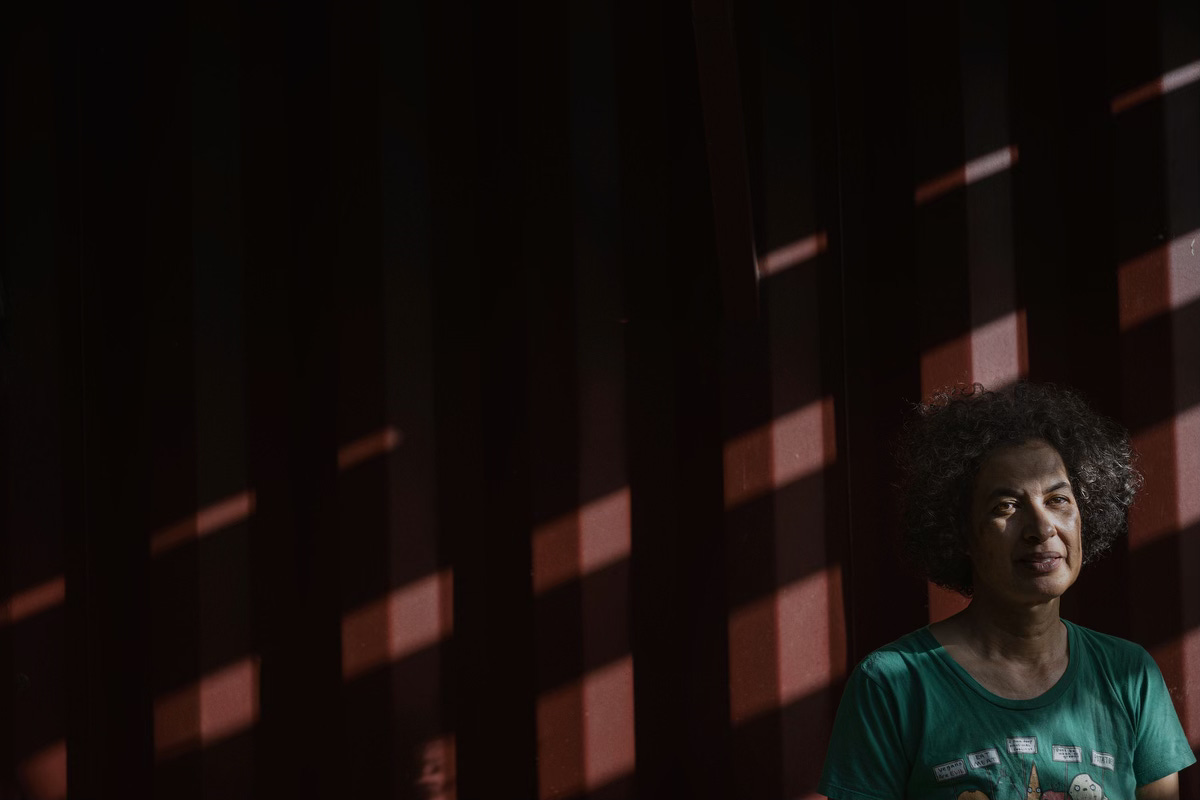
The portrait usually comes later, once you understand the person better. Make it an environmental portrait and avoid the cliché of someone holding a tool. Use light, gesture, texture, and space to say something about who they are. Monique did not like the limelight, so I made her small in the frame and used light to create the mood for a darker story about habitat loss. This is the one image where you get to control everything, so take your time.
Make sure you get coverage of everything you shoot, tight frames, medium frames, and wide frames, but use the same lens so you are forced to move and think more. You will thank yourself later during the edit.
After each session, review your images and create a folder of selects, roughly ten percent of what you shot. These folders let you track progress and make sequencing much easier later. Before each new shoot, review your strongest images honestly. What is missing, what could be better, whether the light was wrong, the expression was off, or focus was missed. This is why we keep the story simple and repetitive, so you can go back and get it right.
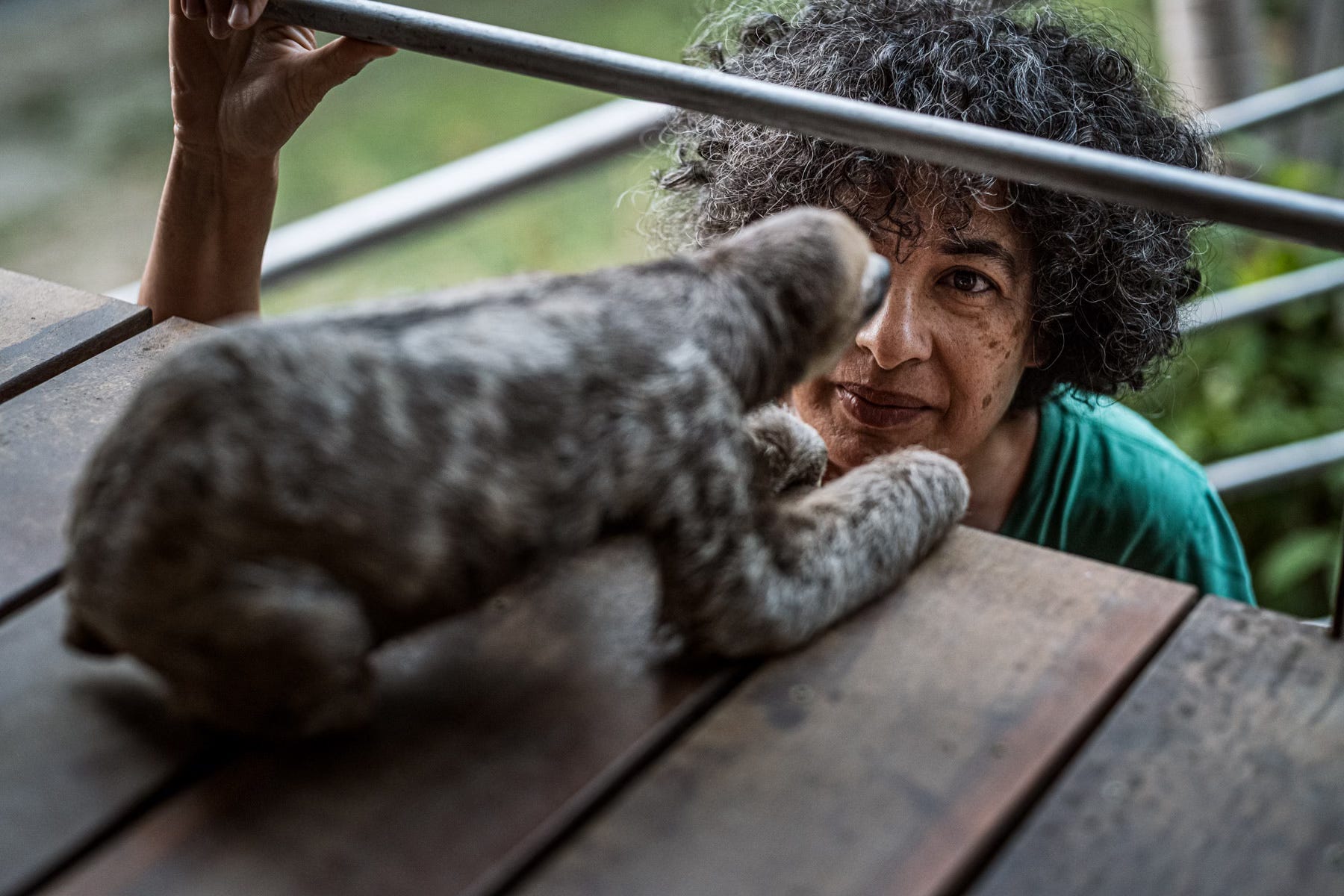
In street or travel photography, you rarely get a second chance. Here, you do.
Keep the five image types in mind and start sequencing as you go. Maybe your scene setters are strong, but your moments are weak. Maybe your details feel obvious and boring. Identify the gaps and shoot intentionally to fill them. Each week, the work should feel more deliberate and less random.
Put real thought into your final edit. Maybe you want the opening image to place the viewer in a specific location, or maybe you want to start with something intriguing that gets straight to the point. Maybe you want mystery and lead with a detail. Be just as creative with sequencing as you were with making the photographs. Aim for consistency in quality across all image types, and use color and light to lead from one image to the next.
This is exactly how I work with people in my mentorship program. They shoot, show work weekly, we review it together, and we build a plan. If you are doing this on your own, commit to an extra hour each week just to review and critique your work.
This process is not easy. Expect boring days and repetitive frames at first. That is normal. Trust the process and stick with it. Do not be harsh on yourself if the images are not as meaningful or powerful as you expected. This is a training exercise. Take the wins that come from improving and learning something each week.
This exercise builds patience, sharpens how you see light and composition, and teaches you how to tell a story with intention. Those skills carry over to almost every genre of photography.
If you want to work with me on this, I run a monthly mentorship program. If not, do it on your own and share the work on Substack and tag me. One month from the date this article came out, I will publish and critique my favorite project.
If you try this exercise, I would love to hear how it goes. Reply to this post with what you chose to photograph, what surprised you, or what you struggled with. The conversation around the work is part of the process.
Then do it again. Try a stranger. Try something more complex.
Keep growing.
If you want to learn more about Monique’s sloth rescue and conservation work please visit The Green Heritage Fund’s Website and considering donating to a good cause.
Here is a sample of a story I shot about a woman named Monique, who dedicates her life to sloth rescue in Suriname. Substack limits you to 9 images, you can see the full story on my website here.


Justin is an editorial and commercial photographer who’s been based in Vietnam for almost 20 years. In that time, he’s covered over 100 assignments for The New York Times and shot global ad campaigns for Fortune 500 companies across Asia and beyond.
I love this exercise and I have 3 subjects in mind. I'll try it out in a couple of very short opportunities ( limited by time and distance), but then plan to do the full one month effort with outside critiques with a friend who is a dance instructor and educator